Adjustment to Disability Counseling: A Comprehensive Overview for Behavioral Health Professionals
February 13, 2026, from 11:00 am - 6:00 pm EST
Join us for a Live Webinar
6 CE hours available for behavioral health clinicians

We are all, at best, “temporarily able-bodied.” One of the largest minority populations in the US, more than 61 million persons are currently experiencing disability in the United States. It is also a population that anyone can join at any time. While 32.9% of persons with disabilities (PWD) report frequent mental health distress, few mental health providers report feeling comfortable working with persons with Chronic Illness and/or Disability (CID). As a result, persons with CID may experience greater stress, trauma, and difficulties adjusting to disability, without access to adequate support.
To effectively address the unique challenges facing this population and to provide you with greater levels of comfort and confidence in your practice, this comprehensive course offers you the knowledge and skills necessary to provide your clients with a disability-affirming approach to counseling.
You will learn from leading experts in the field, Michael Gerald, Ph.D., LCMHC, LMHC, CRC, and Jennifer Hunsaker, MRC, CRC, ACMHC, LPC, faculty members in Rehabilitation Counseling at Utah State University. Dr. Gerald and Ms. Hunsaker are also clinicians at their on-campus teaching and learning clinic, Clinical Rehabilitation Counseling Services, which provides mental health services for persons with CID. Their extensive knowledge, clinical experience, and research efforts will provide you a unique framework for practical skills as well as a philosophical orientation for working with persons with CID.
Dr. Gerald and Ms. Hunsaker's approach focuses on a humanistic, strengths-based philosophy that promotes disability identity development as a means to improve adjustment to disability. Through this course, you will learn about disability broadly while developing a disability-affirming philosophical orientation. You will also learn proven techniques for promoting client self-exploration, vital for fostering client growth.
This comprehensive overview, from a Clinical Rehabilitation Counseling perspective, will help you learn various models and definitions of disability for a strong foundational knowledge. We will explore response to or adjustment to disability and its effect on the therapy process, while identifying and describing factors that influence this response along the way. Finally, the course will provide you with keys to develop a disability-affirming approach for persons with CID.
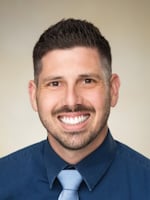
Instructor
Michael Gerald, Ph.D., LCMHC, LMHC, CRC
Michael Esteban Gerald is currently employed as an Assistant Professor in Rehabilitation Counseling at Utah State University (USU) in Logan, UT. Michael currently directs the Clinical Rehabilitation Counseling Services (CRCS), which provides clinical mental health counseling services for persons with Chronic Illness, Disability, and Developmental Disability. Michael earned a PhD in Rehabilitation Counselor Education from the University of Iowa. Michael is currently a Licensed Mental Health Counselor (LMHC-Iowa), Licensed Clinical Mental Health Counselor (CMHC-Utah), and a Certified Rehabilitation Counselor (CRC).
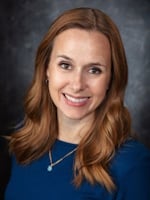
Instructor
Jennifer Hunsaker, MRC, CRC, ACMHC
Jennifer Johnson Hunsaker is a Professional Practice Assistant Professor in Rehabilitation Counseling at Utah State University (USU) in Logan, UT. Jennifer is also a clinician and clinical supervisor with the Clinical Rehabilitation Counseling Services (CRCS) of the Sorenson Center for Clinical Excellence (SCCE), which provides clinical mental health counseling services for persons with Chronic Illness, Disability, and Developmental Disability. Jennifer owns a mental health practice with offices in Utah and Idaho and has grown it into a thriving hub for chronically underserved populations. Jennifer is currently an Associate Clinical Mental Health Counselor (ACMHC-Utah) and a Certified Rehabilitation Counselor (CRC).
Key Takeaways:
- Disability-Affirming Framework: Learn a Disability-Affirming Approach, to better serve Persons with Disability (PWD) and those with Chronic Illness and Disability (CID).
- Effective Adjustment Counseling: Identify the factors that influence response to or adjustment to Disability, and define how the development of a positive disability identity influences this essential psychological process.
- Population-Specific Counseling Skills: Obtain the skills necessary to provide more effective services to persons with chronic illness and disability, across client experiences and theoretical orientations.
Why this course?
- Fills a Critical Training Gap: Many therapists report feeling as though they lack the necessary skills for working with persons with disabilities. This course is specifically designed to fill the gaps present in current counselor preparation and training.
- Focus on Adaptive Factors: You will learn a specific approach that focuses on promoting disability identity, which promotes well-being and mitigates disability-related life stressors.
- Expertise in Practice and Pedagogy: Not only are your instructors faculty members at one of the top Rehabilitation Counseling programs in the country, but both are also actively practicing Certified Rehabilitation Counselors (CRCs) and clinical mental health counselors. They offer a unique combination of content knowledge, clinical expertise, and teaching excellence.
Learning Objectives:
- Define Clinical Rehabilitation Counseling and the perspective of Clinical Rehabilitation Counseling with respect to serving Persons with Disabilities (PWD).
- Describe and summarize models and definitions of Disability.
- Define response to or adjustment to Disability and its effect on the counseling process.
- Identify and describe factors that influence response to Disability.
- Define and discuss Disability Identity and its influence on adjustment to Disability.
- Discuss Clinical Rehabilitation Counseling for Persons with CID: A Disability-Affirming Approach.
In order to promote more equitable outcomes for persons with CID, it is vital to develop the knowledge and skills necessary to feel comfortable working with this population. We invite you to enroll in this course to gain the confidence you need to serve this chronically underserved population.

